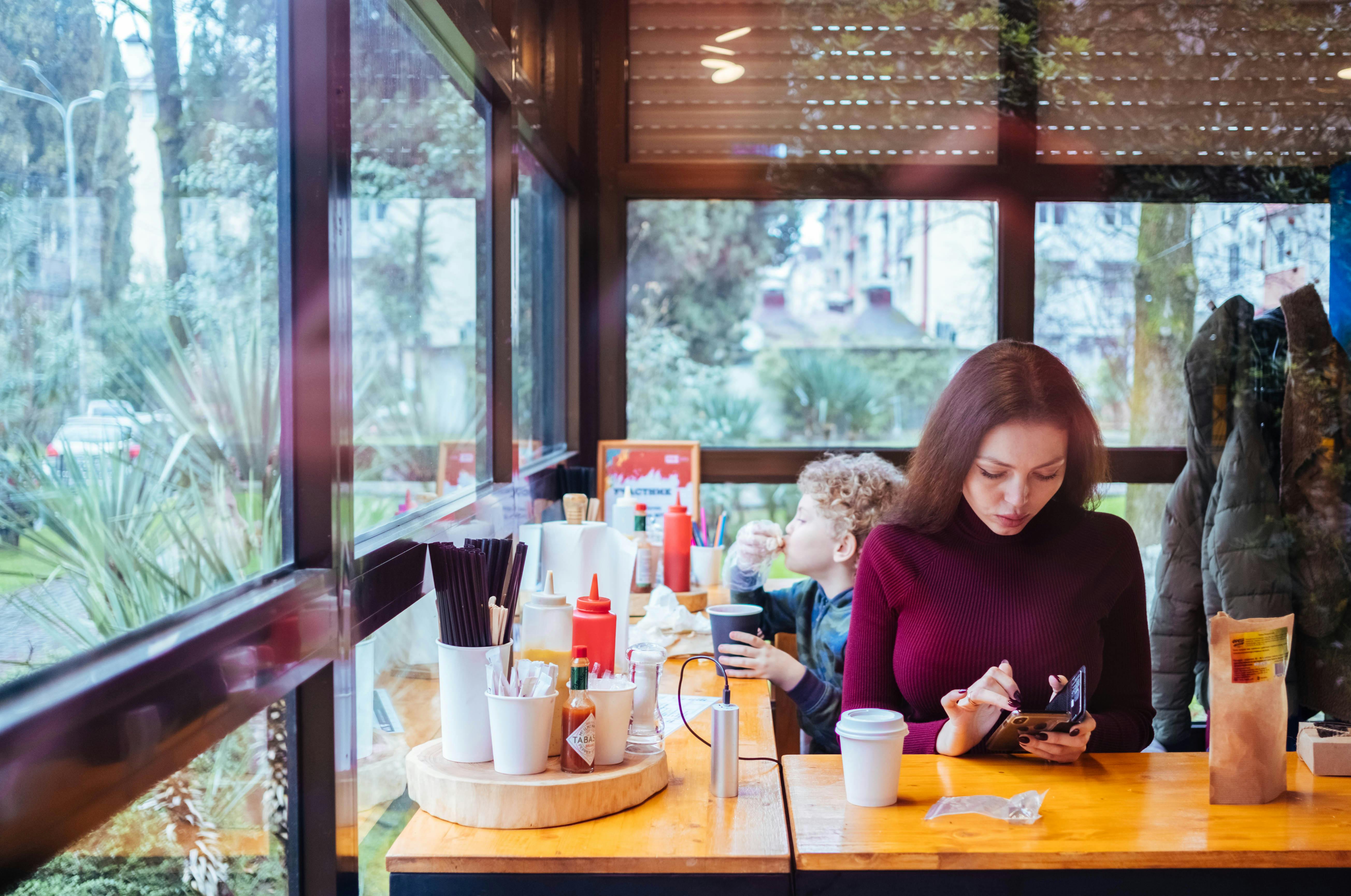
The Psychology Behind Why Certain Places Feel Inspiring

People often experience a powerful emotional reaction when visiting certain places. A quiet beach, a lively café, a mountain trail, or even a familiar childhood street can create feelings of inspiration, comfort, and motivation. Psychology explains that our surroundings influence emotions, creativity, and memory more deeply than many people realize. Researchers in environmental psychology have found that physical spaces shape how people think, feel, and behave every day.
The Emotional Connection Between People and Places
Humans naturally form emotional bonds with environments that feel meaningful. Psychologists describe this as “place attachment,” which develops through memories, experiences, and repeated exposure to certain surroundings. A peaceful park may remind someone of childhood relaxation, while a bustling city may inspire ambition and energy.
This emotional relationship explains why some destinations instantly feel motivating. Spaces connected to positive experiences often trigger feelings of safety, confidence, and inspiration. Even small details such as lighting, architecture, colors, and sounds can affect emotional responses.
Modern businesses and creative industries increasingly understand this psychological effect. Many professionals searching for growth ideas or workplace inspiration explore platforms like https://australiabusinessinsights.com.au to discover environments and trends that encourage innovation and productivity.
Nature Often Inspires Calm and Creativity
Natural environments are among the most psychologically restorative places. Studies in environmental psychology suggest that exposure to forests, oceans, gardens, and open landscapes can reduce stress while improving mood and concentration.
Nature creates what researchers call “soft fascination,” where the brain remains gently engaged without becoming mentally exhausted. This is one reason many people feel refreshed after walking near water or spending time outdoors.
Creative professionals frequently seek natural settings when brainstorming ideas because these spaces encourage imagination and emotional clarity. Even urban designers now include more green spaces in cities because natural environments positively influence mental well being and social interaction.
Architecture Shapes Human Feelings
Buildings and interior spaces strongly affect psychological comfort. Open layouts, natural lighting, and welcoming textures often create feelings of freedom and inspiration. Crowded or poorly designed spaces, on the other hand, may increase stress or mental fatigue.
Environmental psychology studies show that people respond emotionally to proportions, colors, and spatial design. Libraries often feel calming because they encourage quiet focus, while art galleries inspire reflection through visual stimulation.
Today, workplace design has become increasingly important for productivity and innovation. Articles discussing Australian business resources frequently highlight how modern office environments are evolving to support collaboration, creativity, and employee wellness.
Familiar Places Create Psychological Comfort
Certain places feel inspiring because they connect to identity and personal history. Childhood homes, favorite vacation spots, or cultural landmarks often carry emotional meaning that creates a sense of belonging. Psychologists refer to this as a “sense of place,” where environments become deeply connected to personal identity.
Nostalgic places are especially powerful because they combine memory with emotional stability. Historic neighborhoods, independent cafés, and traditional markets often feel more meaningful than generic commercial spaces. Researchers suggest that authentic environments provide comfort because they feel unique and emotionally grounded.
This is also why cultural events and festivals attract strong emotional engagement. Experiences connected to Adelaide festivals 2026 may inspire visitors because they combine music, social interaction, creativity, and shared memories in one environment.
Technology Changes How We Experience Spaces
Digital culture has transformed the way people discover inspiring places. Social media platforms constantly expose users to visually appealing destinations, modern architecture, and travel experiences. Online communities discussing Australian tech tips often explore how digital tools, photography, and virtual experiences influence emotional reactions to physical environments.
At the same time, technology can increase appreciation for real world experiences. After spending long hours online, many individuals actively search for places that feel authentic, calming, or creatively energizing.
This growing desire for meaningful environments has influenced industries ranging from tourism to interior design. Businesses now focus more heavily on creating emotionally engaging customer experiences because people remember how a place made them feel.
Inspiration Often Comes From Human Experience
Ultimately, inspiring places are not only about appearance. They are about emotional connection, memory, comfort, and meaning. Environmental psychology shows that surroundings influence creativity, motivation, and mental well being in subtle yet powerful ways.
Whether someone finds inspiration in nature, architecture, cultural spaces, or familiar neighborhoods, the emotional relationship between people and places remains deeply important. Even online conversations around insurance uploadarticle.com sometimes reflect how modern lifestyles continue shaping the environments people value most.
As society becomes increasingly fast paced and digital, people may continue seeking spaces that provide authenticity, emotional balance, and inspiration in everyday life.